
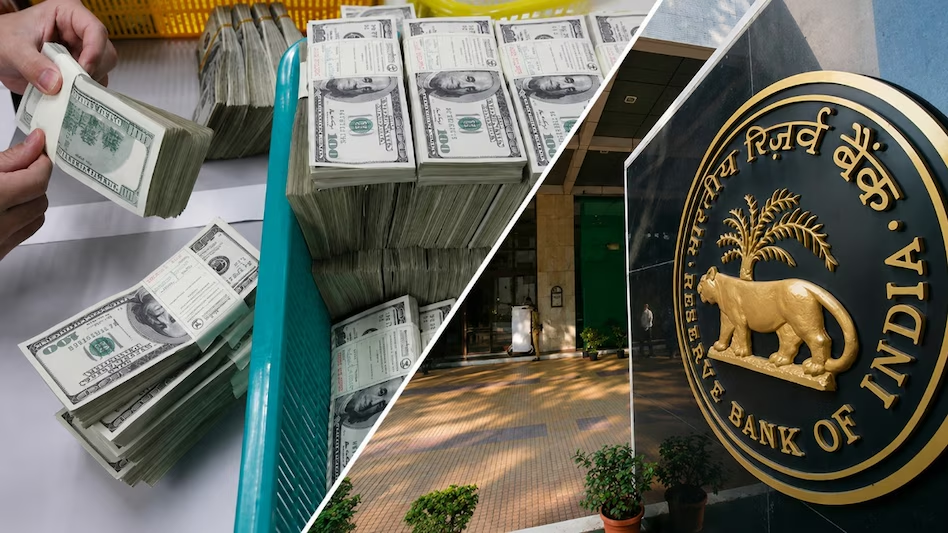
India’s banking system is witnessing record surplus liquidity, meaning banks currently have much more cash available than they immediately need.
The key reason is a sharp rise in foreign-currency inflows, which has added more liquidity to the financial system.
Why does this matter? 👇
🏦 Banks have more money available to lend.
📈 Higher liquidity could support credit growth and borrowing.
💰 More lending can potentially boost business activity and consumption.
📉 Surplus liquidity can put downward pressure on short-term interest rates and influence bond yields.
🏛️ The RBI may need to use various tools to manage this excess liquidity.
For investors, this is an interesting development because banking liquidity can influence interest rates, bonds, credit growth and even stock markets. 📊
The big question now is: Will this excess money flow into loans, bonds, or financial markets? 👀
India ke banking system mein record surplus liquidity dekhne ko mil rahi hai. Simple words mein, banks ke paas abhi zarurat se zyada cash available hai.
Iska ek major reason hai foreign-currency inflows ka sharp increase, jisne financial system mein liquidity ko kaafi boost kiya hai. 🇮🇳💵
Iska impact kya ho sakta hai? 👇
🏦 Banks ke paas lending ke liye zyada paisa hai.
📈 Credit growth ko support mil sakta hai.
💼 Businesses aur consumers ke liye borrowing easier ho sakti hai.
📉 Extra liquidity short-term interest rates aur bond yields ko impact kar sakti hai.
🏛️ RBI ko excess liquidity manage karne ke liye action lena pad sakta hai.
Investors ke liye ye important hai kyunki banking liquidity ka impact loans, interest rates, bonds aur stock market tak pahunch sakta hai. 📊
Ab sabse bada sawaal: Ye extra paisa jayega kahan? 👀