
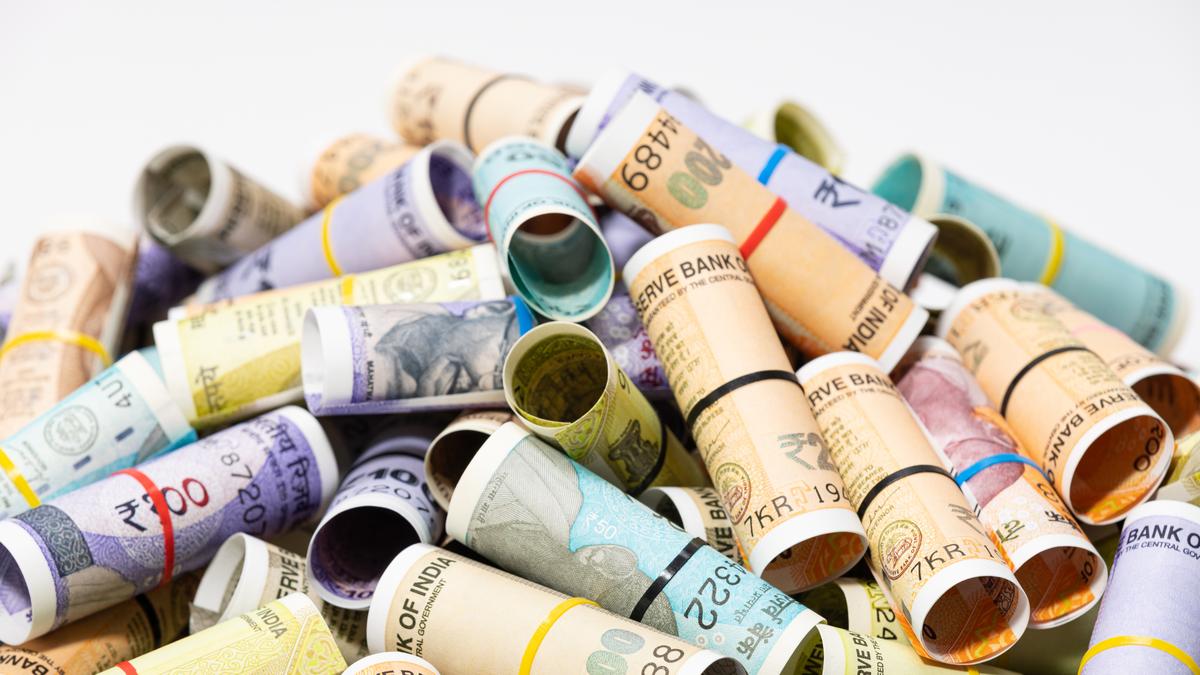
The Indian rupee could weaken to around ₹93 per dollar by the end of 2026, as pressure builds from sustained foreign direct investment (FDI) outflows and higher crude import costs, particularly from non-Russian sources.
Currency strategists note that softer capital inflows are reducing structural dollar supply, while elevated energy import bills are widening the current account deficit.
Together, these factors are increasing depreciation pressure on the rupee.
India benefited in recent years from discounted Russian crude purchases, which helped contain the import bill.
However, a shift toward relatively more expensive crude supplies has increased dollar demand in the forex market.
At the same time, global monetary tightening and risk-off sentiment have slowed foreign capital deployment into emerging markets, including India.
Persistent FDI moderation could limit balance-of-payments support for the currency.
Analysts say the Reserve Bank of India is likely to smooth excessive volatility through intervention, but structural pressures may still guide the rupee toward the ₹92–₹93 range over the next two years.
Key Drivers to Watch:
- Trend in FDI and portfolio flows
- Crude oil price trajectory
- US dollar strength and global interest rates
- RBI intervention intensity
While depreciation risks remain, economists emphasize that India’s relatively stable growth outlook and strong forex reserves may prevent disorderly currency moves.
Indian rupee 2026 ke end tak ₹93 per dollar ke aas-paas close ho sakta hai, kyunki FDI outflows aur non-Russian crude ki mehengi imports currency par pressure bana rahi hain.
Market analysts ka kehna hai ki jab foreign direct investment flows slow hote hain, toh dollar supply kam ho jati hai. Saath hi, agar crude oil import bill badhta hai, toh dollar demand increase hoti hai — dono milkar rupee ko weaken karte hain.
Pichhle kuch saalon mein discounted Russian crude ne India ka import bill control mein rakha tha. Lekin agar India ko relatively mehenga crude kharidna padta hai, toh current account deficit widen ho sakta hai, jo INR ke liye negative signal hai.
Global level par high interest rates aur risk-off sentiment bhi emerging markets se capital outflows ko trigger kar sakte hain, jiska direct impact rupee par padta hai.
Experts ka maanna hai ki RBI excessive volatility ko control karne ke liye intervene karega, lekin structural pressure rupee ko gradual depreciation ki taraf le ja sakta hai.
Key factors jo watch karne chahiye:
- FDI aur portfolio inflows trend
- Crude oil prices
- US dollar strength
- RBI intervention
Filhaal outlook cautious hai — sharp crash ka risk kam hai, lekin gradual weakness ka possibility strong hai.