
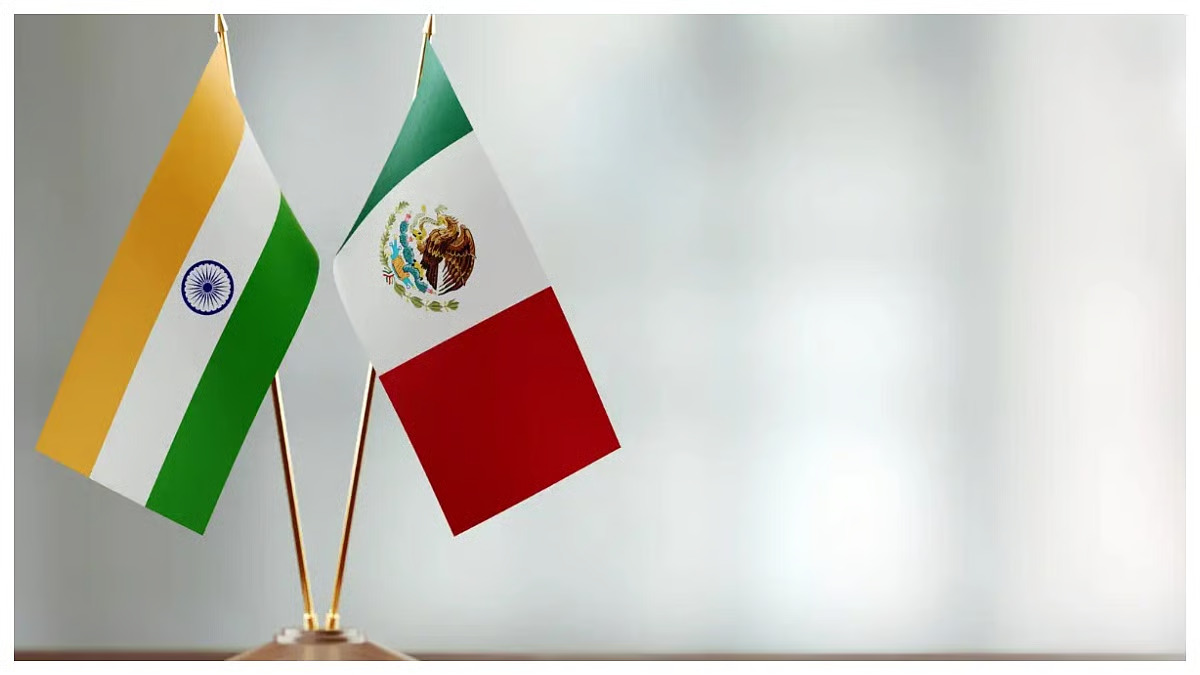
India’s automotive export sector is facing a significant challenge after Mexico approved steep import tariffs of up to 50% on goods from countries without a free trade agreement, including India. The new duties, set to take effect from January 1, 2026, are expected to hit Indian car and auto component exports particularly hard.
Under the tariff regime, import duties on vehicles from countries like India will rise sharply — in some cases from around 20% to as much as 50%. This move threatens around $1 billion worth of Indian automobile shipments to Mexico each year, a market that serves as one of the key destinations for Indian vehicle exports.
Analysts said the tariff increase could weaken the price competitiveness of Indian cars and auto parts in Mexico and disrupt well‑established supply chains linked to North American markets. The higher duties are also likely to affect related segments such as aluminium and electronics exports to the country.
The Society of Indian Automobile Manufacturers (SIAM) has urged the Indian government to engage with Mexican authorities in an effort to mitigate the impact of the tariff hike. India and Mexico have reportedly opened dialogue to explore possible trade solutions, including discussions on a preferential trade agreement to protect bilateral commerce.
Market reactions have been noticeable, with some Indian auto and auto component stocks sliding as investors reassess sector exposure amid rising trade policy risks. Exporters may need to rethink strategies, diversify markets, or adjust pricing to cope with the increased cost burden.
The tariff shock is seen as a major test for India’s export‑oriented automotive manufacturing base and highlights the broader risks facing exporters amid shifting global trade policies.
India ka automotive export sector ek bada challenge face kar raha hai, kyunki Mexico ne un countries se aane wale goods par steep import tariffs approve kiye hain jinke saath free trade agreement nahi hai, jisme India bhi shamil hai. Ye naye duties 1 January 2026 se lagu honge aur Indian car aur auto component exports par khaaskar impact dalne ki ummeed hai.
Tariff regime ke under, India jaise countries se aane wale vehicles par import duties 20% se badh kar 50% tak ho sakti hain. Is move se har saal $1 billion ke Indian automobile shipments ko Mexico me risk ho sakta hai, jo Indian vehicle exports ke liye ek key market hai.
Analysts kehte hain ki ye tariff increase Indian cars aur auto parts ki price competitiveness ko weaken kar sakta hai aur North American supply chains ko disrupt kar sakta hai. Higher duties aluminium aur electronics exports jaise related segments ko bhi affect kar sakti hain.
Society of Indian Automobile Manufacturers (SIAM) ne Indian government se request ki hai ki wo Mexican authorities ke saath engage karein aur tariff hike ka impact kam karne ki koshish karein. Reports ke mutabik India aur Mexico ne preferential trade agreement ke possible solutions par dialogue start kar diya hai, taaki bilateral trade ko protect kiya ja sake.
Market reaction me kuch Indian auto aur auto component stocks slide karte nazar aaye, jahan investors sector exposure ko trade policy risks ke madhyam se reassess kar rahe hain. Exporters ko apni strategies rethink, markets diversify, aur pricing adjust karne ki zarurat pad sakti hai taaki increased cost burden manage ho sake.
Ye tariff shock India ke export-oriented automotive manufacturing base ke liye ek bada test mana ja raha hai aur global trade policies ke shift hone ke dauran exporters ke liye broader risks ko highlight karta hai.
This news is for information only and is not investment advice. Please do your own research before making investment decisions.