
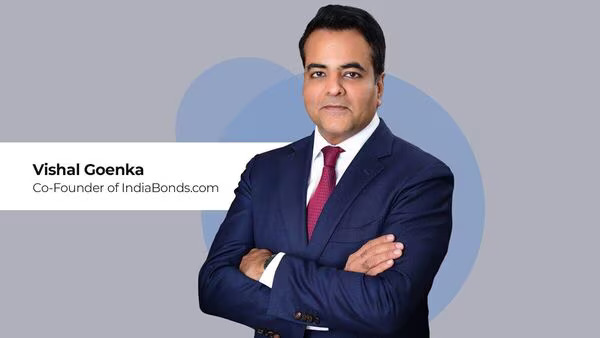
Tariffs, commodity price volatility, and potential stress in the non-banking financial company (NBFC) sector are expected to be the key risks for bond markets in 2026, according to Vishal Goenka, co-founder of IndiaBonds.
He noted that bond investing in India has evolved significantly, with increased retail participation and higher trading volumes in the secondary market. Bonds are no longer viewed only as fixed-yield instruments but as active investment assets.
Looking ahead, higher tariffs and sharp swings in commodity prices, especially crude oil, could lead to volatility in bond yields and impact credit markets. Any slowdown in economic growth or stress in the NBFC sector may further influence investor sentiment.
Global factors, including rising yields in major economies, could also affect emerging market bonds by tightening financial conditions. Goenka advised investors to adopt a diversified approach, focus on rated and regulated bonds, and avoid chasing high yields without understanding underlying risks.
IndiaBonds ke co-founder Vishal Goenka ke mutabik, 2026 me bond market ke liye tariffs, commodity price volatility aur NBFC sector ka stress bade risk factors ho sakte hain.
Unhone kaha ki India me bond investing ab kaafi evolve ho chuki hai, jahan retail investors ki participation badh rahi hai aur secondary market me trading activity tez hui hai. Bonds ab sirf fixed return product nahi rahe, balki ek active investment option ban chuke hain.
Aane wale saal me higher tariffs aur crude oil jaise commodities ke prices me tezi se hone wale changes bond yields me volatility la sakte hain. Saath hi, agar NBFC sector me pressure badhta hai to iska asar credit markets par bhi pad sakta hai.
Global markets me yields ke badhne se emerging markets par bhi impact ho sakta hai. Experts investors ko suggest karte hain ki diversified portfolio banayein, rated bonds par focus karein aur sirf high returns ke chakkar me risk na lein.