
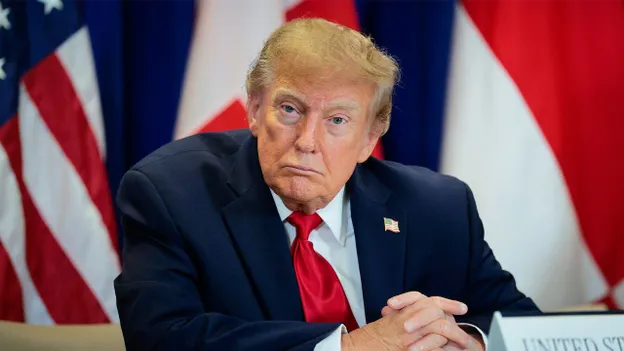
U.S. President Donald Trump has reportedly rejected Iran’s seven-day ceasefire proposal, according to a Wall Street Journal report citing U.S. officials. Iran’s proposal reportedly included reopening the Strait of Hormuz within seven days and restarting nuclear negotiations with the United States.
In return, Tehran sought an end to the U.S. naval blockade, relief from economic pressure and steps toward resuming oil exports. The Strait of Hormuz is a critical global energy route, making any prolonged disruption important for oil prices and international markets.
- Trump reportedly rejected the proposed ceasefire.
- Iran offered to reopen the Strait of Hormuz.
- Nuclear negotiations could resume under the proposal.
- Iran sought economic and oil-related relief.
- WSJ reported possible renewed U.S. bombing after the November midterms.
The diplomatic situation remains uncertain. The reported post-midterm military action is not confirmed, and further negotiations could still change the situation.
U.S. President Donald Trump ne reportedly Iran ke seven-day ceasefire proposal ko reject kar diya hai, ek Wall Street Journal report ke mutabik, jo U.S. officials ko cite karti hai. Iran ke proposal mein 7 din ke andar Strait of Hormuz ko reopen karna aur U.S. ke saath nuclear talks dobara start karna shamil tha.
Iske badle, Tehran ne U.S. naval blockade khatam karne, economic pressure kam karne aur oil exports resume karne ki demand ki thi. Strait of Hormuz ek critical global energy route hai, isliye iska prolonged disruption oil prices aur international markets ko impact kar sakta hai.
- Trump ne reportedly ceasefire proposal reject kiya.
- Iran ne Strait of Hormuz reopen karne ki offer di.
- Nuclear negotiations dobara start ho sakti hain.
- Iran ne economic aur oil-related relief maanga.
- WSJ ne November midterms ke baad possible renewed U.S. bombing ki report di.
Diplomatic situation abhi uncertain hai. Post-midterm military action confirmed nahi hai, aur future negotiations se situation change ho sakti hai.