
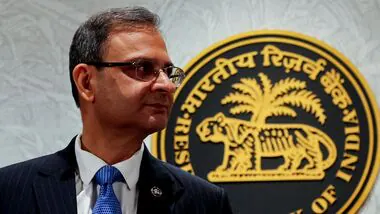
The Reserve Bank of India (RBI) Monetary Policy Committee raised the repo rate by 25 basis points to 5.50% in its October 2026 policy meeting. The decision reflects the central bank’s growing focus on controlling inflation while maintaining financial stability. The RBI also shifted its monetary policy stance toward “calibrated tightening,” signalling a more cautious approach to future rate decisions. Higher borrowing costs may affect home loans, auto loans, business credit, and other floating-rate loans linked to benchmark rates.
- Repo rate increased by 25 bps to 5.50%.
- RBI adopts a calibrated tightening stance.
- Inflation management remains a key priority.
- Loan interest rates and EMIs may rise.
- Fixed-deposit rates could become more attractive.
The RBI’s latest move indicates a tighter monetary policy environment, with future decisions likely to depend on inflation, economic growth, liquidity, and global market conditions.
Reserve Bank of India (RBI) ki Monetary Policy Committee ne October 2026 meeting mein repo rate ko 25 basis points badhakar 5.50% kar diya hai. Yeh decision inflation ko control karne aur financial stability maintain karne ke objective se liya gaya hai. RBI ne apna monetary policy stance bhi “calibrated tightening” ki taraf shift kiya hai, jo future mein aur cautious rate decisions ka signal deta hai. Repo rate badhne ka impact home loan, car loan, business loan aur floating-rate loans par dekhne ko mil sakta hai, jisse EMIs badh sakti hain.
- Repo rate 25 bps badhkar 5.50% hua.
- RBI ka stance calibrated tightening hua.
- Inflation control major priority hai.
- Loan EMIs badh sakti hain.
- FD rates attractive ho sakti hain.
RBI ka yeh move tighter monetary policy ka signal hai. Aage ke decisions inflation, growth, liquidity aur global market conditions par depend karenge.