
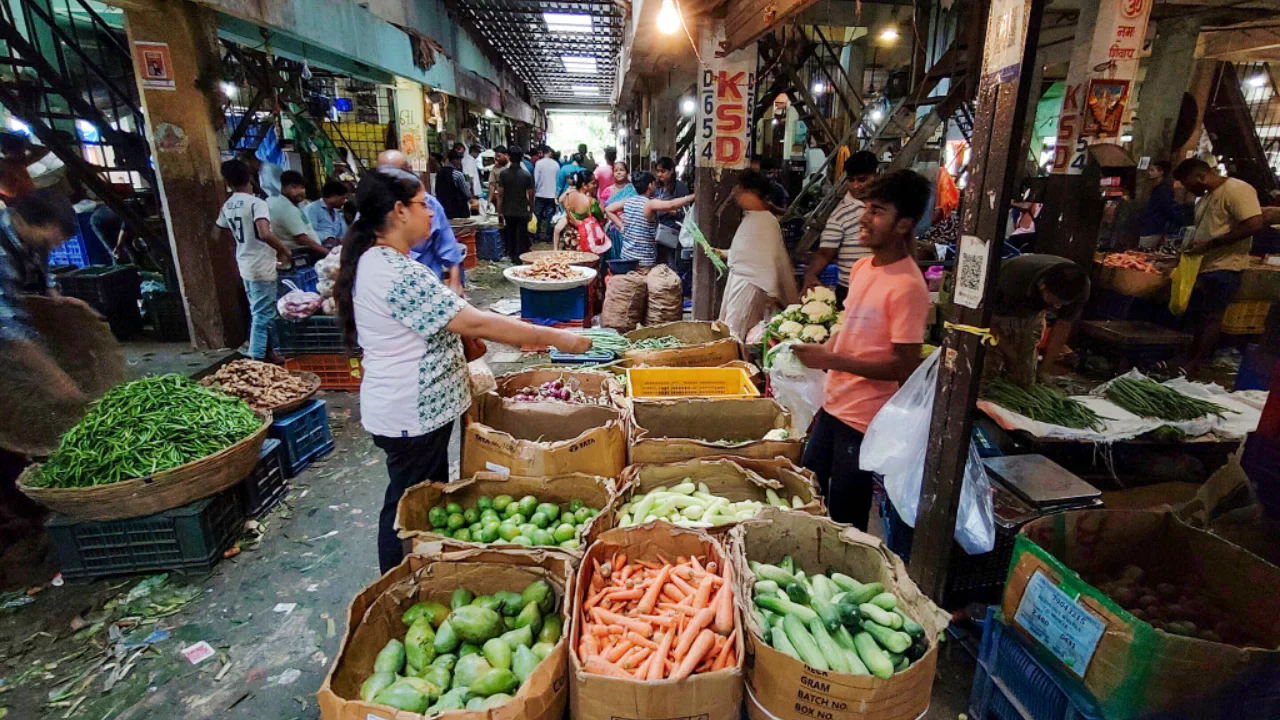
India’s wholesale inflation rose to 11.39% in September 2026, up from 9.92% in August, exceeding market expectations of 10.60%.
The rise reflects increasing price pressures across key sectors, including food, fuel and manufactured products. Higher wholesale prices can increase production costs for businesses and put pressure on their profitability.
Key Risks:
- Higher Input Costs: Manufacturers may face increased raw material and production expenses.
- Margin Pressure: Chemical, steel and FMCG companies could see pressure on profit margins.
- Rising Logistics Costs: Higher fuel and energy prices may increase transportation and operating expenses.
- RBI Rate Outlook: Persistent inflation could influence the RBI’s interest rate decisions and affect expectations of future rate cuts.
Rising wholesale inflation signals growing cost pressures across the economy. Investors will closely watch inflation trends and the RBI’s next policy moves.
India ki wholesale inflation September 2026 mein badhkar 11.39% ho gayi, jo August mein 9.92% thi. Yeh market ke 10.60% estimate se bhi zyada hai.
Food, fuel aur manufactured products ki prices mein increase se businesses par cost pressure badh raha hai. Wholesale prices badhne se companies ka production cost increase ho sakta hai, jiska impact unki profitability par pad sakta hai.
Key Risks:
- Higher Input Costs: Manufacturers ko raw materials aur production par zyada kharch karna pad sakta hai.
- Margin Pressure: Chemical, steel aur FMCG companies ke profit margins par pressure aa sakta hai.
- Rising Logistics Costs: Fuel aur energy prices badhne se transportation aur operating expenses increase ho sakte hain.
- RBI Rate Outlook: Inflation lagatar high rehne par RBI ke future interest rate decisions aur expected rate cuts par impact pad sakta hai.
Wholesale inflation mein sharp rise economy mein badhte cost pressure ko show karta hai. Ab investors inflation trends aur RBI ke next policy decisions par nazar rakhenge.