
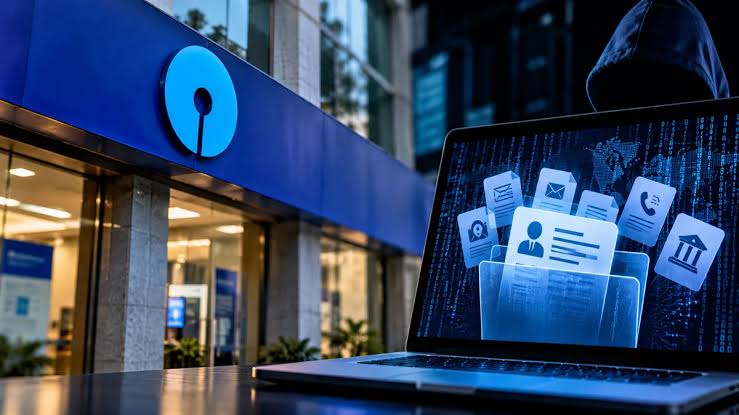
State Bank of India (SBI) has reported a suspected data breach, with 3,897 customer records reportedly exposed on the dark web. The incident has raised concerns about customer privacy and cybersecurity in the banking sector.
According to preliminary findings, the exposed information includes customers’ names, mobile numbers, dates of birth, email IDs, residential addresses, customer identifiers and loan-related records.
SBI has appointed an independent cybersecurity agency to investigate the incident and determine the source and extent of the data exposure. The bank has stated that the incident is not expected to have any material impact on its core business operations, financial performance or business continuity.
The incident highlights the growing importance of cybersecurity and customer data protection in India's banking industry. Customers should remain cautious of suspicious calls, emails and messages, and never share their OTPs, PINs or banking passwords with anyone.
The investigation is ongoing, and the full extent of the data exposure is yet to be established.
State Bank of India (SBI) mein suspected data breach ka matter saamne aaya hai. 21 October 2026 ko bank ne report kiya ki 3,897 customer records ka personal data dark web par expose hua hai.
Preliminary investigation ke according, leaked information mein customers ke names, mobile numbers, date of birth, email IDs, residential addresses, customer identifiers aur loan-related records shamil hain.
SBI ne incident ki investigation ke liye ek independent cybersecurity agency appoint ki hai, jo data leak ke source aur extent ka pata lagayegi. Bank ke according, is incident se uske core business operations, financial performance ya business continuity par koi material impact expected nahi hai.
Yeh incident banking sector mein cybersecurity aur customer data protection ki importance ko highlight karta hai. Customers ko suspicious calls, messages aur emails se alert rehna chahiye. Apna OTP, PIN ya password kisi ke saath share na karein.
Investigation abhi ongoing hai aur data exposure ki poori extent ka pata lagaya ja raha hai.