
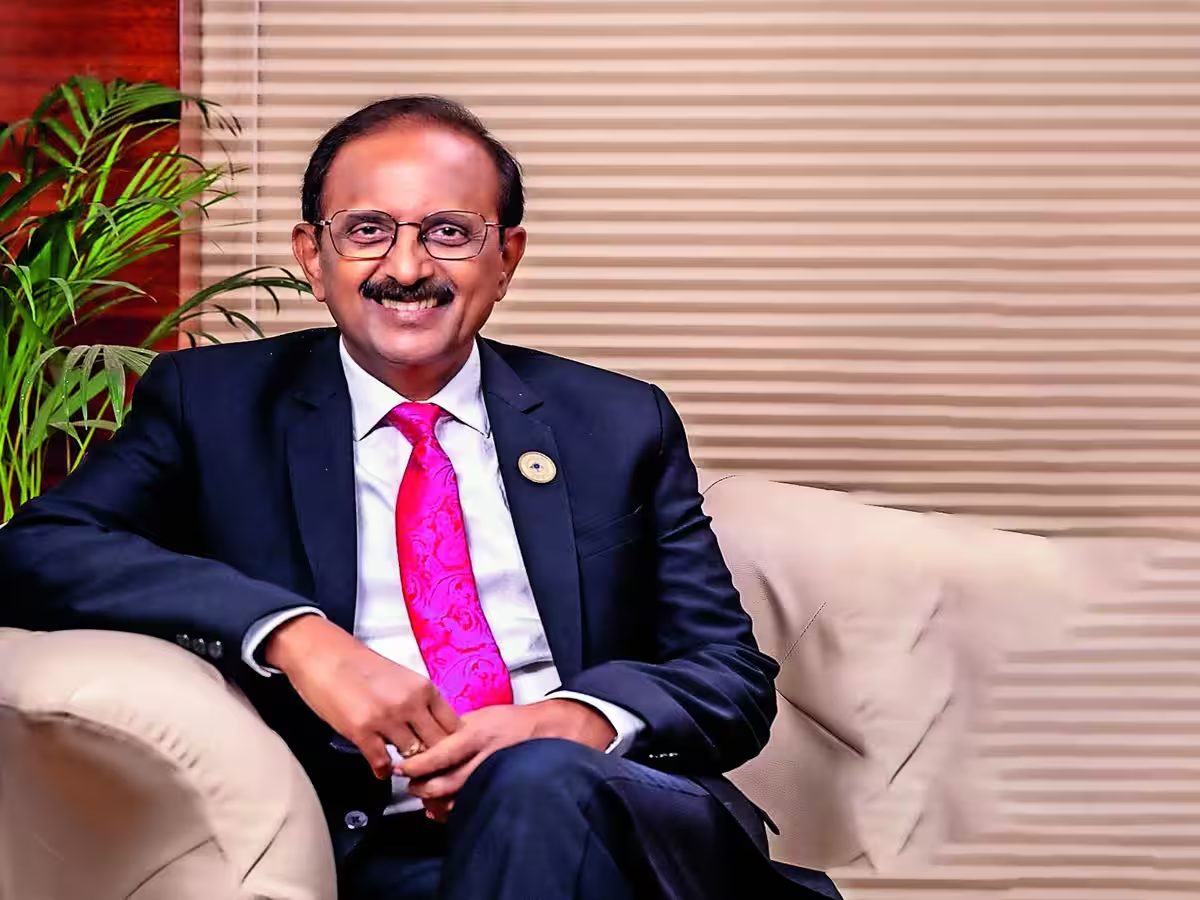
SBI Chairman C.S. Setty expects the Reserve Bank of India (RBI) to raise the repo rate by 50 basis points in December 2026. He also warned that higher interest rates could impact discretionary consumption, which includes spending on non-essential goods and services.
A repo rate hike makes borrowing more expensive for banks, potentially increasing loan costs for consumers and businesses. This can affect spending on products such as cars, electronics and other discretionary purchases. Higher EMIs may also reduce consumers' disposable income.
The expected rate hike comes amid rising inflationary pressures and concerns over their impact on economic activity. If borrowing costs increase, businesses dependent on consumer demand could face pressure.
However, the RBI's final decision will depend on inflation trends and broader economic conditions. A rate increase could help control inflation, but it may also slow credit demand and consumer spending.
Investors and consumers will closely watch the RBI's December policy decision for signals on interest rates, inflation and economic growth.
SBI Chairman C.S. Setty ko umeed hai ki Reserve Bank of India (RBI) December 2026 mein repo rate mein 50 basis points ki badhotri kar sakta hai. Unhone warning di hai ki badhti interest rates ka asar logon ke discretionary spending, yaani non-essential cheezon par hone wale kharch par pad sakta hai.
Repo rate badhne se banks ke liye borrowing mehengi ho sakti hai, jiska asar personal loans, home loans aur car loans ki interest rates par pad sakta hai. Isse logon ki EMI badh sakti hai aur unke paas shopping aur doosri non-essential cheezon par kharch karne ke liye kam paise bach sakte hain.
Higher borrowing costs ka asar businesses par bhi pad sakta hai, khaaskar un sectors mein jo consumer demand par depend karte hain.
Halaanki, RBI ka final decision inflation aur economic conditions par depend karega.
December mein possible repo rate hike se loan costs aur consumer spending par pressure badh sakta hai.