
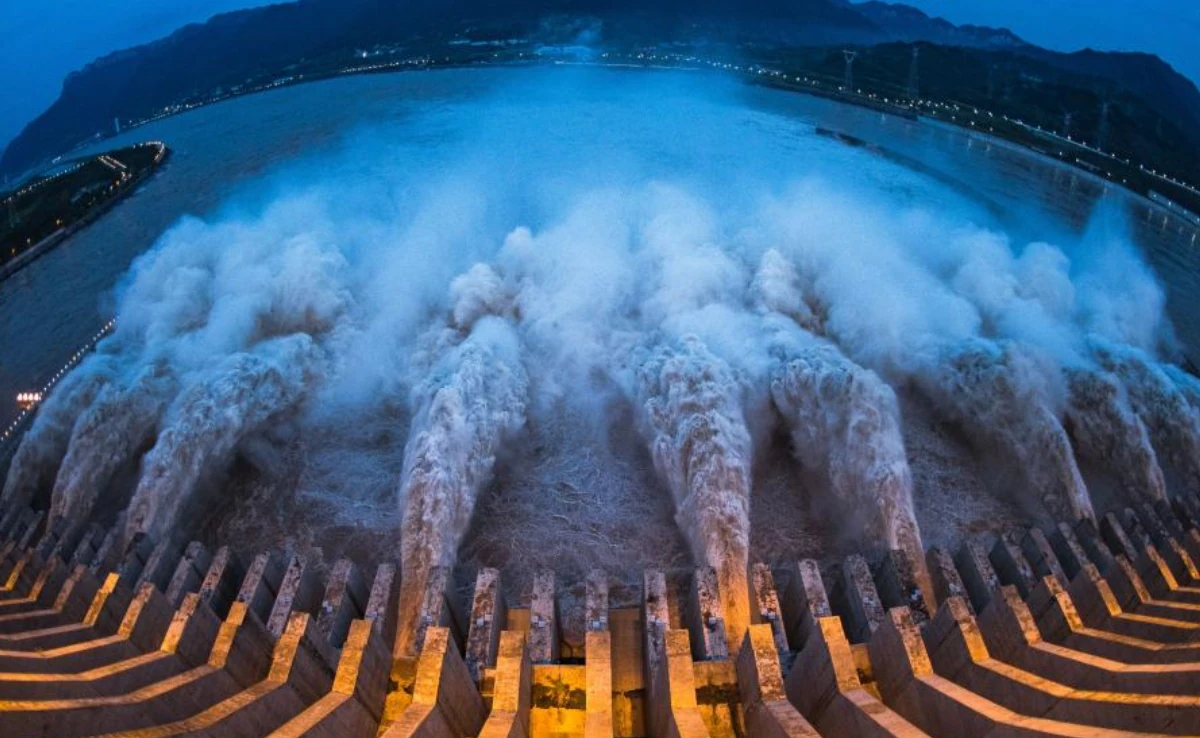
China is reportedly pushing ahead with the construction of a massive hydropower dam on the Yarlung Tsangpo river in Tibet — a river that becomes the Brahmaputra once it enters India. The project is being described by experts and officials as possibly the world’s most powerful mega dam, raising serious concerns about its downstream effects on India’s water security, ecology, and livelihoods.
According to reports, the proposed hydropower system — potentially the largest in the world — would channel huge volumes of water through a complex network of dams, reservoirs, tunnels and power stations. This has led to fears that China could, intentionally or otherwise, influence the timing and volume of water flowing into India and Bangladesh. Sudden large discharges from the dam could trigger flash floods, while withholding water could exacerbate water scarcity during dry seasons.
Arunachal Pradesh’s chief minister has warned that the project could act as a “ticking water bomb,” giving China strategic leverage over river flows into India.
India’s Ministry of External Affairs has stated that the government is closely monitoring developments related to the Brahmaputra, including China’s hydropower plans, and is taking necessary measures to safeguard Indian interests and protect lives and livelihoods downstream.
China, however, has dismissed concerns about negative impacts, asserting that the dam has undergone rigorous scientific evaluation and will not adversely affect water flow or ecology in downstream countries.
Experts say that even limited alterations to the river’s natural flow could affect fertile floodplains, fisheries and groundwater recharge in Assam and Arunachal Pradesh, regions highly dependent on the Brahmaputra’s seasonal rhythms.
The project’s scale, technical complexity and location in an ecologically fragile, seismically active Himalayan zone also heighten concerns about environmental and humanitarian risks in the event of extreme weather or structural issues.
China reportedly Yarlung Tsangpo river pe Tibet me ek massive hydropower dam bana raha hai — ye river India me enter karte hi Brahmaputra ban jaata hai. Experts aur officials ke hisaab se ye shayad world ka most powerful mega dam ho sakta hai, jo India ki water security, ecology aur livelihoods ke liye serious concerns create kar raha hai.
Reports ke mutabik, proposed hydropower system — jo potentially duniya ka largest ho sakta hai — huge volumes of water ko complex network of dams, reservoirs, tunnels aur power stations ke through channel karega. Isse dar hai ki China, intentionally ya unintentionally, India aur Bangladesh me water ka timing aur volume control kar sakta hai. Agar dam se sudden large discharge hua toh flash floods aa sakte hain, aur agar water rok diya gaya toh dry seasons me water scarcity badh sakti hai.
Arunachal Pradesh ke CM ne warning di hai ki ye project ek “ticking water bomb” jaise kaam kar sakta hai, aur China ko river flows pe strategic leverage de sakta hai.
India ka Ministry of External Affairs keh raha hai ki government closely monitor kar rahi hai Brahmaputra aur China ke hydropower plans ko, aur necessary measures le rahi hai taaki Indian interests aur downstream logon ki life aur livelihood safe rahe.
China ne concerns dismiss kiye hain, keh kar ki dam ka rigorous scientific evaluation ho chuka hai aur ye downstream countries ke water flow aur ecology pe adverse impact nahi dalega.
Experts kehte hain ki river ke natural flow me thodi bhi alteration se fertile floodplains, fisheries aur groundwater recharge effect ho sakta hai Assam aur Arunachal Pradesh me, jahan log heavily Brahmaputra ke seasonal rhythms pe dependent hain.
Project ka scale, technical complexity aur location ek ecologically fragile aur seismically active Himalayan zone me hone ke wajah se environmental aur humanitarian risks bhi high hain, especially extreme weather ya structural issues ke case me.
This news is for information only and is not investment advice. Please do your own research before making investment decisions.