
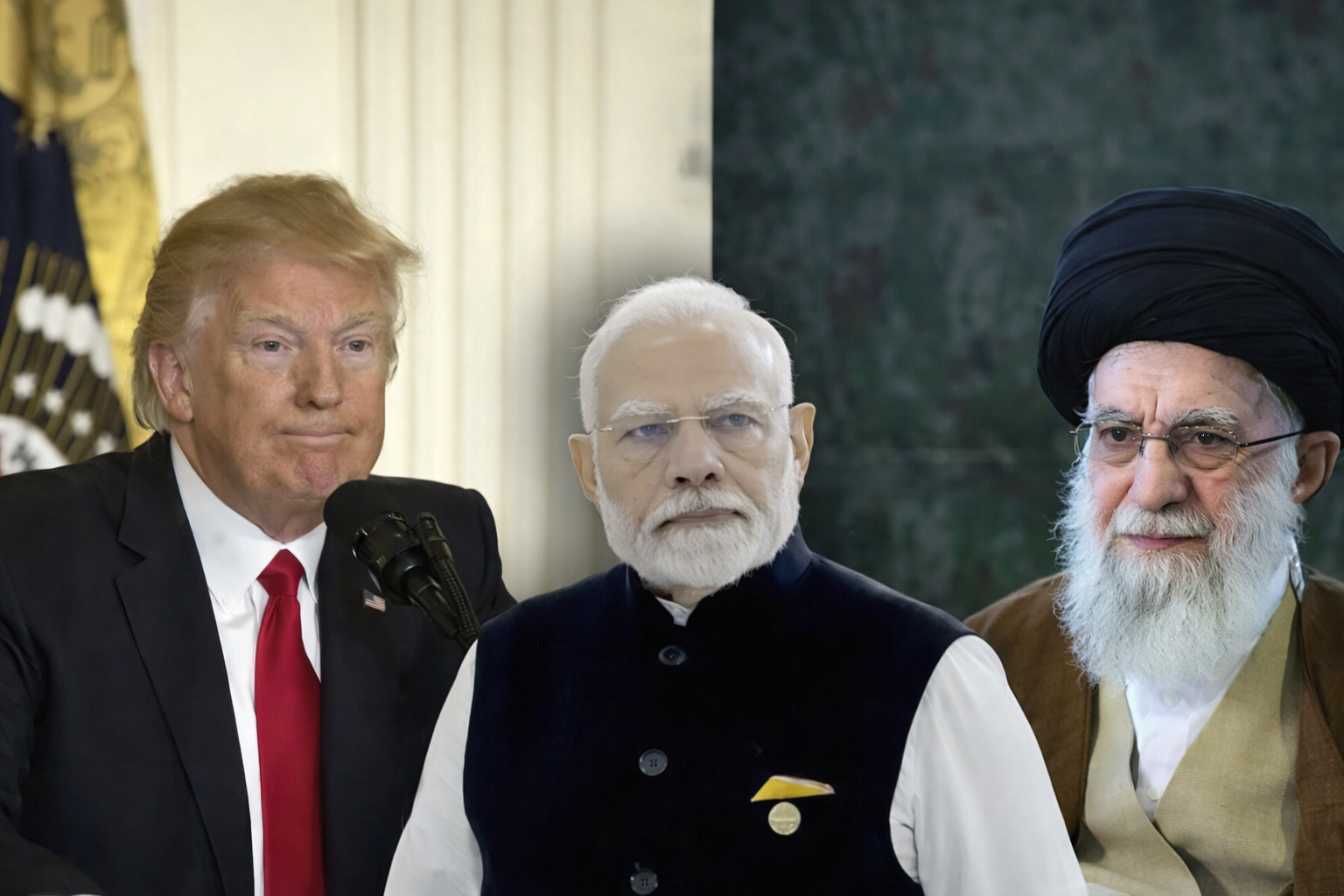
In a move that could reshape global trade dynamics, former U.S. President Donald Trump has announced a 25 percent tariff on all countries trading with Iran. While the tariff is aimed at pressuring Tehran amid ongoing geopolitical tensions, it may have significant implications for India’s economy.
Analysts say the measure could place pressure on Indian exports, particularly in sectors such as chemicals, energy products and agriculture — all of which form part of India’s trade basket with Iran and the United States. “Higher tariffs can make Indian products less competitive in key markets, especially the U.S., affecting demand and profitability,” noted a trade expert.
Market reactions have already been observed, with the Indian rupee showing increased volatility as investors reassess risk. Currency traders say tariff-related uncertainty often triggers short-term fluctuations, adding to existing macroeconomic pressures.
Sector specialists also warn that industries heavily tied to energy imports and exports could feel the impact most acutely. “For energy and commodity exporters, tariff costs and compliance burdens can squeeze margins and slow growth,” stated an industry economist.
The tariff move underscores a broader trend of geopolitics influencing financial markets, as trade policy becomes intertwined with diplomatic strategies. Observers say India and other affected nations will need to respond with calibrated policy measures to mitigate potential fallout.
Former US President Donald Trump ne Iran ke saath trade karne wale deshon par 25% tariff lagane ka announcement kiya hai. Yeh move geopolitics ke saath-saath global markets ke liye bhi ek strong signal maana ja raha hai. India ke liye iska impact multi-sectoral ho sakta hai.
Experts ka kehna hai ki is tariff ka sabse pehla asar Indian exports par pad sakta hai, khaaskar chemicals, energy aur agriculture sectors mein. Higher tariffs ki wajah se Indian products ki US market mein competitiveness kam ho sakti hai, jisse demand aur margins dono par pressure aayega.
Is development ke baad Indian rupee mein volatility dekhne ko mil sakti hai, kyunki investors global trade risks ko dobara assess kar rahe hain. Currency experts maante hain ki trade tensions badhne par rupee short-term pressure mein aa sakta hai.
Energy aur commodity-linked industries bhi radar par hain. Iran-linked trade routes aur supply chains par depend karne wali companies ko higher costs aur compliance challenges ka saamna karna pad sakta hai.
Overall, Trump ka yeh tariff move dikhata hai ki geopolitics phir se markets ko drive kar rahi hai, jahan policy decisions ka direct asar trade, currency aur investor sentiment par pad raha hai.