
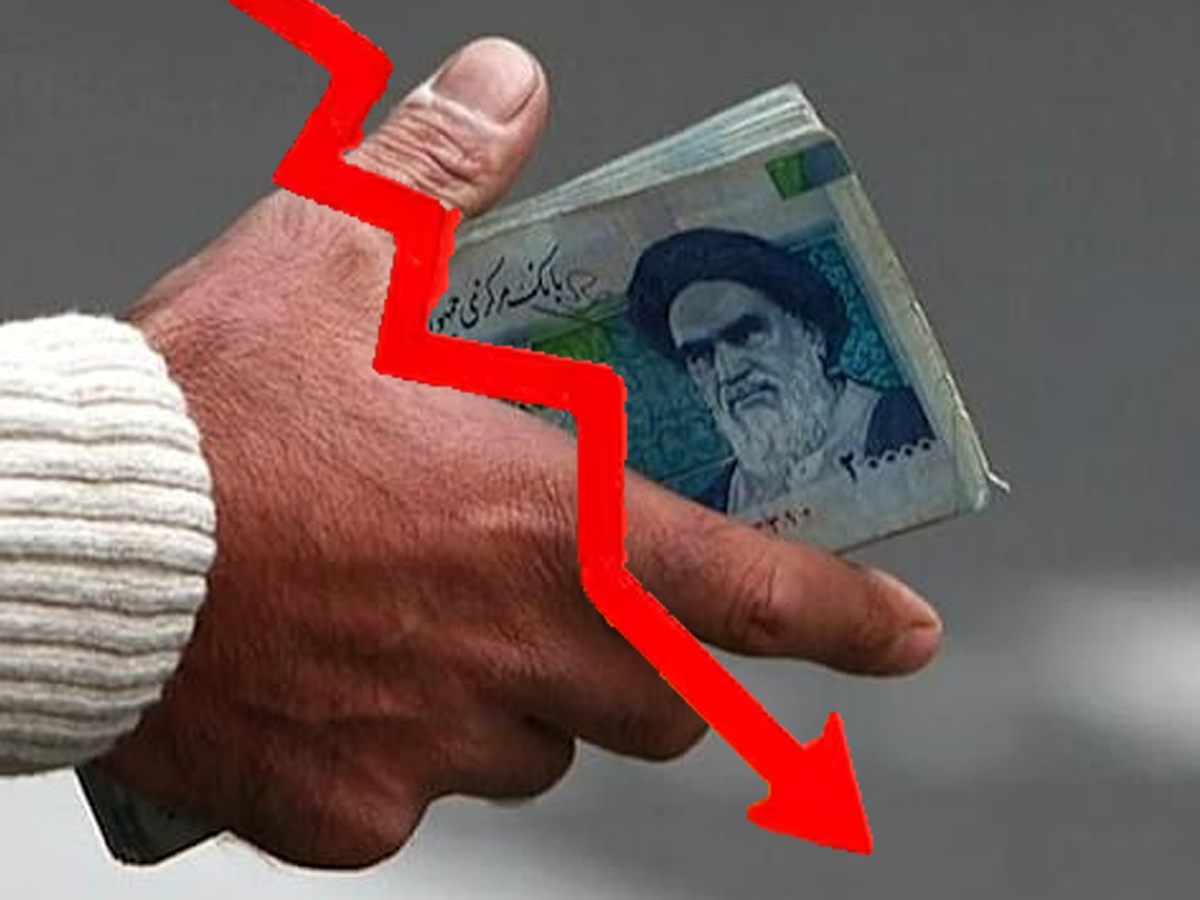
Iran is facing a severe economic crisis as its national currency, the rial, has plummeted to record lows against major foreign currencies, including the euro and the U.S. dollar. Reports indicate that on certain European exchange markets, the rial has become almost non‑tradable, reflecting a dramatic loss of value.
This sharp depreciation has compounded the country’s already high inflation, which exceeds 40%, driving up the cost of essential goods such as food, medicine, and fuel. Ordinary citizens are struggling to meet daily needs, while traders and shopkeepers in cities across Iran have staged protests, some of which have escalated into clashes with security forces.
The economic turmoil has also led to resignations within Iran’s financial institutions, including the Central Bank, highlighting the severity of the crisis. Analysts attribute the collapse to a combination of long-standing international sanctions, domestic economic mismanagement, and declining foreign exchange reserves.
The protests, initially sparked by economic grievances, are increasingly being viewed as a broader expression of public dissatisfaction with the government. Security forces have responded with crackdowns, leading to widespread arrests and raising concerns from international human rights organizations.
While Iran’s leadership has called for calm and vowed to stabilize the economy, experts warn that without decisive policy changes and potential easing of sanctions, the
Iran ki economy abhi serious crisis mein hai, kyunki unka national currency rial record low pe gir gaya hai against euro aur USD. Kuch European markets mein to rial almost worthless ho gaya hai, matlab exchange ke liye use practically accept nahi ho raha.
Is sharp depreciation ke saath hi country ka inflation 40% se upar pahunch gaya hai, aur essentials jaise food, medicine, aur fuel ke prices skyrocket ho gaye hain. Citizens daily needs afford karne mein struggle kar rahe hain, aur traders aur shopkeepers across Iran ne protests start kar diye hain. Kuch clashes bhi security forces ke saath report ho rahe hain.
Economic turmoil ki wajah se Iran ke financial institutions mein resignations ho rahi hain, including Central Bank, jo crisis ki severity dikhata hai. Experts kehte hain ki long-standing sanctions, domestic economic mismanagement, aur foreign exchange reserves ke decline ne is collapse ko trigger kiya hai.
Yeh protests ab sirf economic grievances tak limited nahi, balki broader public dissatisfaction ka signal bhi ban gaye hain. Security forces crackdown kar rahe hain, arrests widespread ho rahe hain, aur international human rights organizations bhi concern express kar rahi hain.
Iran ke leaders calm rehne ki appeal kar rahe hain aur economy stabilize karne ka promise kar rahe hain, lekin experts warn kar rahe hain ki bina policy changes aur sanctions easing ke, rial aur gir sakta hai, aur unrest aur badh sakta hai.