
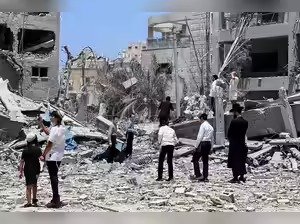
The ongoing Iran-Israel conflict is showing signs of a major turning point as tensions escalate across the Middle East, with serious implications for global markets and energy supply. One of the biggest concerns is the Strait of Hormuz crisis, where Iran has disrupted or restricted shipping routes, impacting nearly 20% of the world’s oil trade.
Recent signals indicate that while military actions continue—including missile strikes, air raids, and attacks on infrastructure—there are also growing diplomatic efforts to de-escalate the situation. The European Union and global powers are pushing for negotiations to avoid a prolonged war.
Meanwhile, oil prices have surged above $100 per barrel due to supply disruptions and attacks on key energy facilities, raising concerns about global inflation and economic slowdown.
Experts believe the conflict has now entered a critical phase, where either diplomatic talks could reduce tensions, or further escalation could trigger a wider regional war with significant global economic consequences.
Iran-Israel war ab ek critical stage par pahunch chuki hai, jahan se situation ya to control ho sakti hai ya aur dangerous ho sakti hai. Sabse bada issue hai Strait of Hormuz, jahan se duniya ka lagbhag 20% oil supply hota hai, aur ab wahan disruption dekhne ko mil raha hai.
Ek taraf missile attacks, airstrikes aur infrastructure par hamle badh rahe hain, to doosri taraf global powers bhi tension kam karne ke liye talks push kar rahe hain. European Union jaise players actively negotiation ki baat kar rahe hain.
Is conflict ka direct impact oil prices par bhi dikha hai—prices $100 ke upar pahunch chuki hain, jo global economy ke liye ek warning signal hai.
Experts kehte hain ki ab ye war ek turning point par hai—ya to talks se situation improve hogi, ya phir ye conflict aur badhkar global crisis ban sakta hai.
This news is for information only and is not investment advice. Please do your own research before making investment decisions.