
The Indian government has announced a full customs duty exemption on critical petrochemical products, aiming to support industries amid ongoing disruptions caused by the West Asia conflict.
The decision, which will remain effective till June 30, 2026, is a temporary relief measure to ensure the steady availability of essential industrial inputs and to reduce cost pressures on manufacturers.
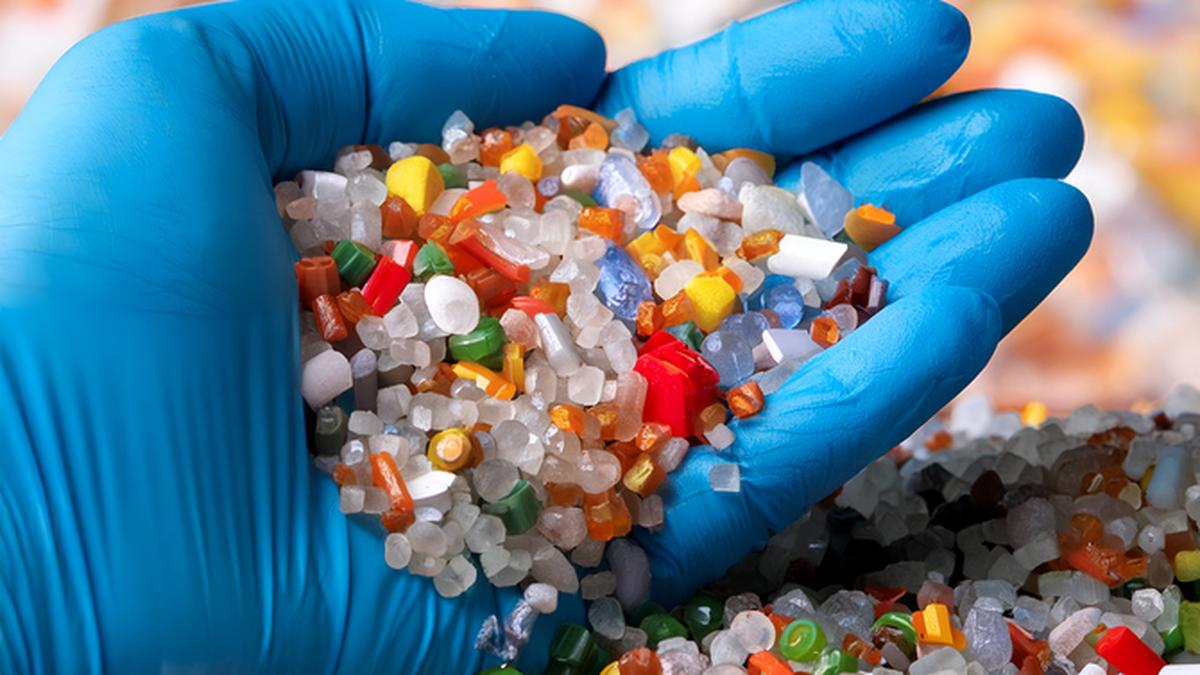
A wide range of petrochemical products such as methanol, ammonia, PVC, polyethylene, and other polymers have been included under this exemption, as these are crucial for sectors like plastics, textiles, pharmaceuticals, and automotive manufacturing.
The move comes at a time when the West Asia conflict has disrupted global supply chains, shipping routes, and input costs, creating pressure on multiple industries in India.
By removing import duties, the government aims to stabilize prices, prevent shortages, and control inflation, ensuring that downstream industries and consumers are protected from sudden cost spikes.
Will this duty cut help control inflation in India — or will global factors still keep costs high?
Government ne critical petrochemical products par customs duty hata di hai, taaki West Asia crisis ke beech industries ko relief mil sake.
Ye exemption 30 June 2026 tak valid rahegi, aur iska main purpose hai essential raw materials ki supply stable rakhna aur cost pressure kam karna.
Isme methanol, ammonia, PVC, polyethylene jaise important products include hain, jo plastics, textiles, pharma aur automobile sectors ke liye bahut important hain.
West Asia war ki wajah se global supply chain disturb ho gayi hai, shipping routes par risk badh gaya hai aur input costs increase ho gaye hain — isi ko control karne ke liye ye step liya gaya hai.
Government ka aim hai ki prices stable rahe, shortage na ho aur inflation control me rahe, jisse industries aur consumers dono ko benefit mile.
Aap kya sochte ho — kya ye step prices ko control karega ya global crisis ka impact fir bhi bana rahega?