
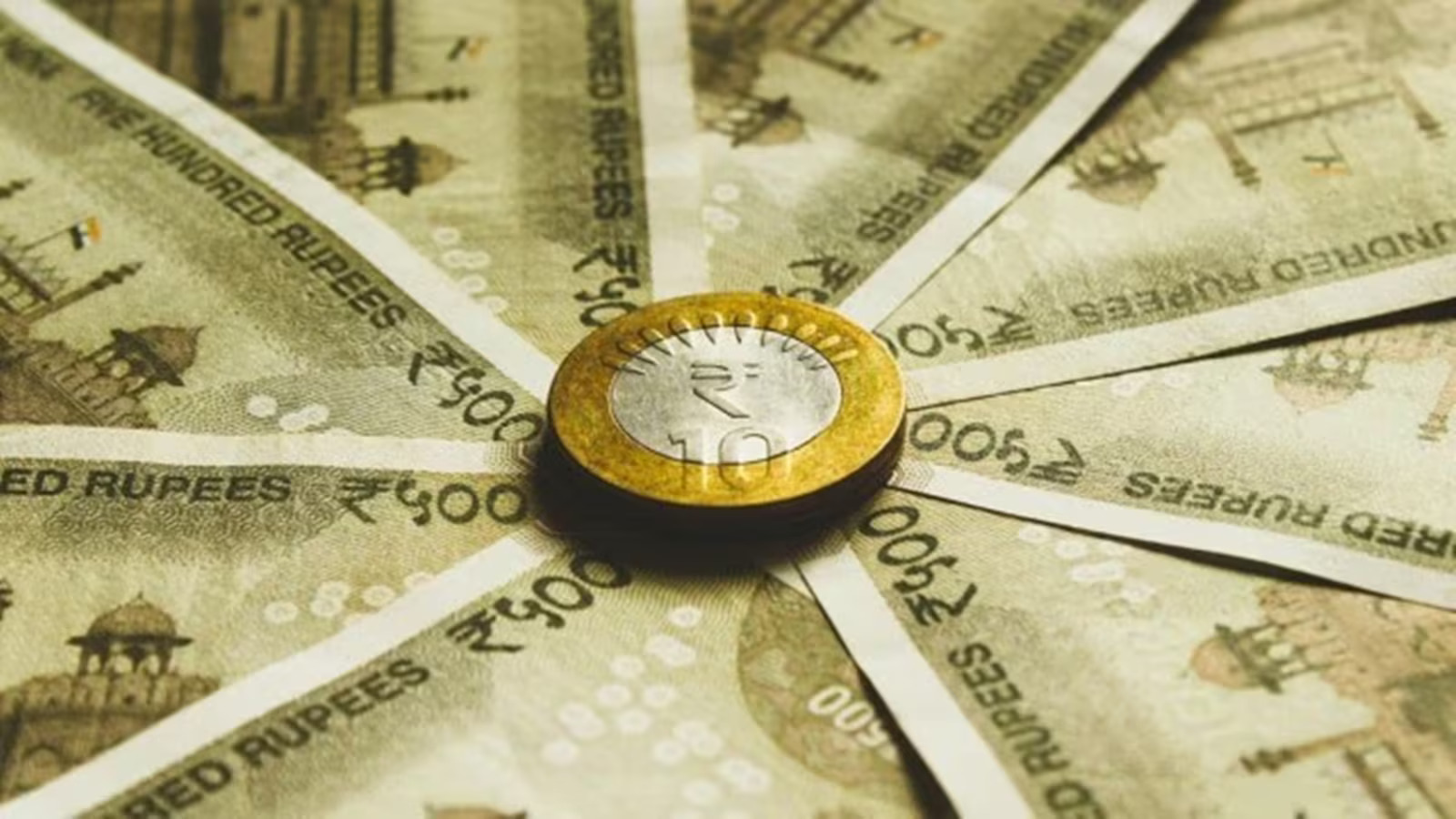
The sharp fall of the Indian rupee sliding beyond the ₹90 per US dollar level—has triggered renewed debate about the health of the Indian economy. While currency depreciation often creates public anxiety, experts argue that the situation needs a balanced, contextual understanding rather than alarm.
The decline is driven by a combination of factors: a globally strengthening US dollar, ongoing geopolitical tensions, and slowing global trade. Increased demand for dollars, high crude oil prices, and foreign investors pulling money out of emerging markets have added pressure on the rupee. Although the rupee’s fall appears steep, many other major world currencies have also weakened against the dollar.
The article explores the negative effects of a weaker rupee—especially rising import costs. Essential imports like crude oil, electronic components, and industrial inputs become more expensive, feeding into domestic inflation. This puts pressure on households, businesses, and the government’s fiscal position.
But the depreciation also brings potential benefits. Indian exporters—particularly in sectors like textiles, IT services, pharmaceuticals, and agriculture—gain a competitive advantage because their goods become cheaper in global markets. Indian families receiving remittances from abroad also gain more rupees for each dollar earned.
Experts weigh in on whether the Reserve Bank of India should intervene strongly or allow market forces to play out. The broader conclusion is that while the rupee’s fall is not ideal, it is not an economic crisis. Instead, it reflects larger global financial trends and may offer certain advantages if managed with sound policy and controlled inflation.
Indian rupee ka tezi se girna—jo ab ₹90 per US dollar se neeche tak pahunch gaya hai—desh ki economy ki health par ek nayi debate shuru kar deta hai. Jab currency depreciate hoti hai, logon mein naturally chinta hoti hai, lekin experts ka kehna hai ki is girawat ko panic ki tarah nahi, balki sahi context aur balanced perspective ke saath samajhna chahiye.
Rupee ki girawat ke peeche kaafi saare global factors ka combination hai. US dollar duniya bhar mein strong ho raha hai, geopolitical tensions badh rahi hain, aur global trade slow chal raha hai. Dollar ki demand zyada hone, crude oil ke prices high rehne, aur foreign investors ka emerging markets se paisa nikalna, in sabne rupee par extra pressure daal diya hai. Haan, rupee ki fall sharp lagti hai, par sirf India nahi—kaafi aur badi currencies bhi dollar ke saamne weak hui hain.
Weak rupee ke kuch negative effects bhi saamne aate hain. Import ki cost badh jaati hai, especially crude oil, electronic components, aur industrial raw materials ki. Jab imports mehange hote hain, toh inflation badhta hai, jiska asar households, businesses, aur sarkar dono par padta hai. Logon ka daily budget tight hota hai aur companies ko higher production cost se deal karna padta hai.
Lekin depreciation ka ek positive angle bhi hai. Indian exporters—for example textiles, IT services, pharmaceuticals aur agriculture sectors—global market mein zyada competitive ban jaate hain, kyunki unki products relatively cheaper ho jaati hain. Iske alawa, jo Indian families bahar kaam karte hain aur remittances bhejte hain, unhe bhi zyada rupees milte hain, kyunki har dollar ab zyada value de raha hai.
Experts yeh bhi discuss karte hain ki RBI ko is situation mein strong intervention karna chahiye ya market forces ko naturally kaam karne dena chahiye. Overall conclusion yeh hai ki rupee ki fall ideal nahi hai, par yeh koi economic crisis bhi nahi hai. Yeh global economic trends ka hissa hai. Agar sarkar aur RBI policies ko sahi direction mein rakhein aur inflation control mein rahe, toh issi situation se kuch long-term benefits bhi nikale jaa sakte hain.
This news is for information only and is not investment advice. Please do your own research before making investment decisions.